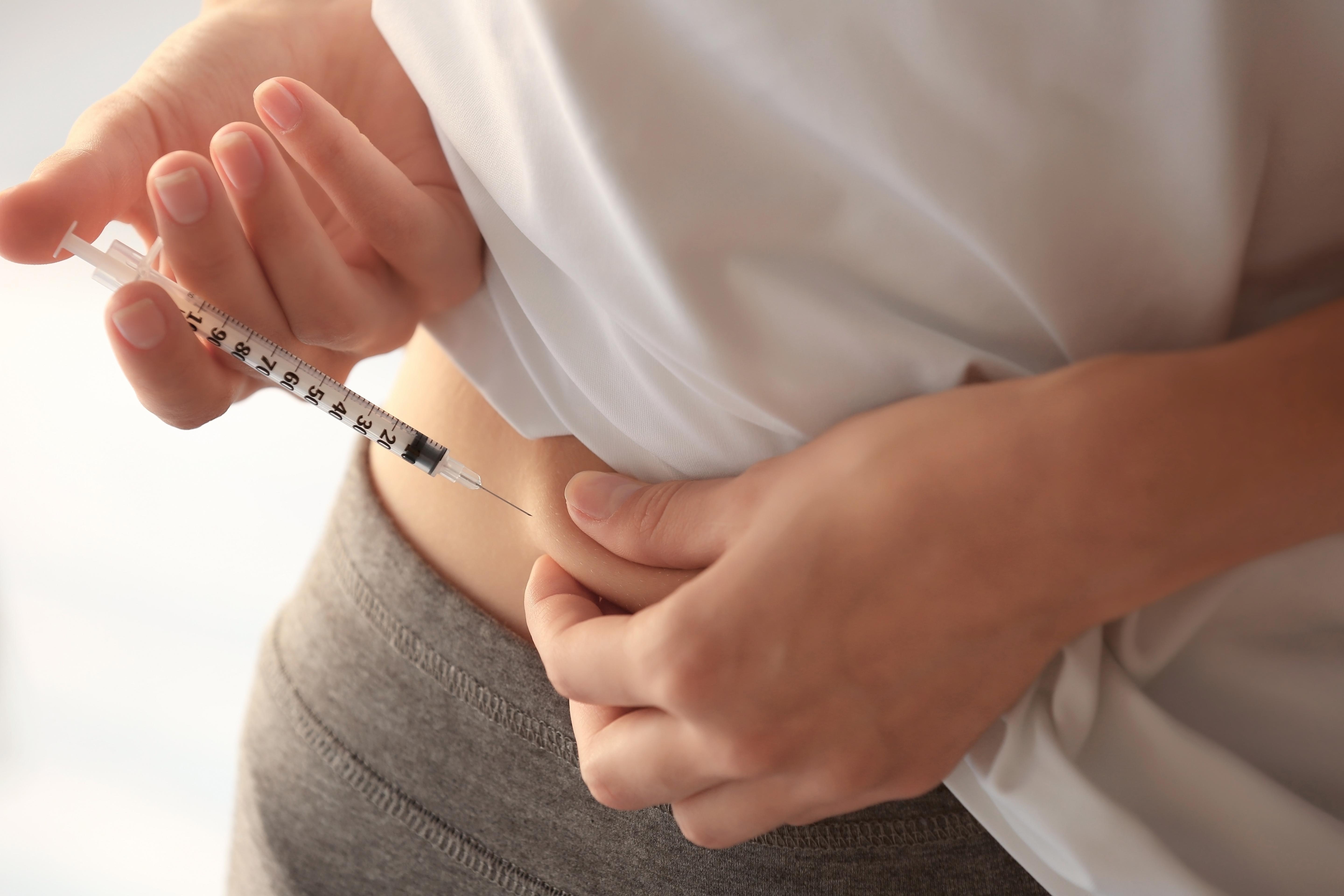
"Kim Bok-hee (pseudonym), who lives in Incheon, was under a lot of stress because of the medicine she had to take in the morning and evening after being diagnosed with A five years ago. However, because it was difficult to maintain blood sugar with medicine, the treatment method was changed to insulin injection at the recommendation of the doctor in charge, and it was more difficult to inject yourself into the abdomen every morning. However, since January this year, I have stopped injecting as well as taking medicine. This is because blood sugar has fallen below standard without taking medication since B.”
A = Diabetes, B = Diabetes surgery
Like
Kim Bok-hee, one in seven adults over the age of 30 has been diagnosed with diabetes in Korea. But few of these people know about diabetes surgery. Most people know that when diagnosed with diabetes, they have to take drugs for life and suffer from injections.
However, when the American Diabetes Association proved the effectiveness of diabetes surgery in 2014, the existing common sense that "diabetes should take medicine for life" was reversed. Subsequently, Japan and Taiwan have also recognized the effect of diabetes surgery and are providing insurance benefits, and Korea has also adopted it as a new medical technology in 2018 and has been providing national health insurance benefits since 2019.

Diabetes surgery largely consists of 'gastrointestinal resection' and 'gastrointestinal bypass'. Among them, the surgery with a low incidence of postoperative complications is gastric sleeve resection. Gastrointestinal resection is a treatment that limits food intake by cutting off a part of the stomach. It is named because the shape of the stomach left after removing some of it looks like a sleeve.
This surgery removes the convexity of the stomach where cells that secrete appetite-inducing hormones (grelin) are gathered, when the size of the stomach becomes smaller by one-tenth and the amount of food naturally decreases. As a result, patients after surgery generally showed a weight loss effect of 29kg per year and 35kg in two years. In the end, as you lose weight after surgery, insulin sensitivity recovers, and diabetes improves because the high blood glucose concentration decreases.

Q1 Will the surgical effect last long?
Only 5% of diabetics have maintained blood sugar with drugs for five years. On the other hand, 29% of those who underwent gastric sleeve resection maintained normal blood sugar five years after surgery.
Q2 Can surgery cure diabetes?
Diabetes can recur again if it is not continuously managed, so the term 'relief' is mainly used rather than the term 'cured'. Remission means that blood sugar is maintained even after quitting all diabetes drugs and insulin. Diabetes drugs alone rarely lead to remission, but diabetes surgery has often recovered to remission (normal level) as 85% of patients improve their condition.
Q3 Isn't it a burden on the body because it's an operation to cut some organs?
gastric sleeve resection is laparoscopic surgery, not laparoscopic surgery. Therefore, after making a small hole of about 1cm without incision in the stomach, surgery is performed using a special device. Because the incision is small and there are fewer scars and bleeding, it causes less pain and faster recovery quickly. In particular, safety is also high because the risk of complications from wound infection is also low. It takes about four to five days from hospitalization to discharge, and daily life is sufficiently possible after discharge. However, immediately after surgery, the amount of meals can decrease rapidly and cause dizziness, so you should have time to adapt to your eating habits for one to two weeks.
Q4 Should I prioritize medication, and consider surgery as a last resort?
The older you are and the longer you fight against it, the less effective the surgery is because your pancreatic function declines and your insulin secretion ability decreases. Therefore, the younger the age and the shorter the period of fighting diabetes, the higher the surgical effect. However, not everyone diagnosed with diabetes can enjoy the effects of surgery. Since surgery is usually performed on people with diabetes and obesity, surgery should be performed after a precise judgment by a doctor.
Q5 Wouldn't the surgery be a burden?
Due to the influence of the United States, which recognized diabetes surgery as a standard treatment method, the effectiveness of diabetes surgery in Korea was also recognized, and national health insurance benefits were available from 2018. Thanks to this, the burden of treatment costs for diabetic patients has been reduced by one-fifth as the cost of surgery, hospital room fees, and examination fees has fallen from 10 million won to 2 million won.
Q6 Where can I consult for surgery?
If you are a diabetic, visit the obesity metabolic center of each hospital and consult about diabetes surgery. You can predict whether you are suitable for surgery and how effective it will be after receiving surgery.