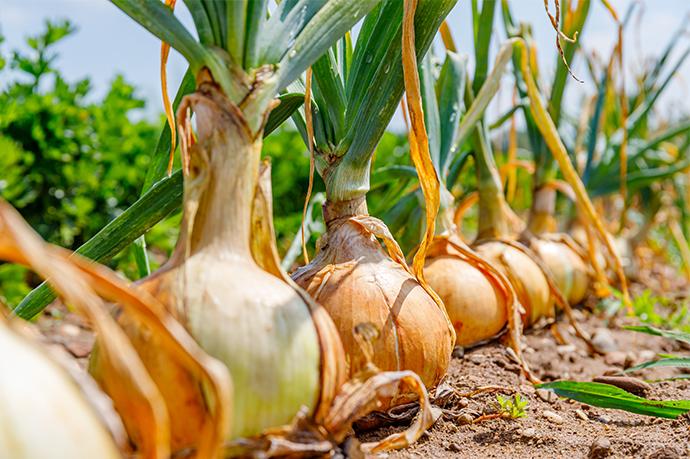
In ancient Greece and Rome, influenced by Egyptian culture, onions were also used as a panacea. Greek athletes at the Olympics drank onion juice to strengthen their physical strength, and Roman gladiators rubbed onions on their bodies to strengthen their muscles.
Onions have long been used as health functional foods. Even now, the efficacy of onions continues to be proven. In February 2019, a study report published by China's Liaoning Provincial Medical School found that the adult group with the highest onion intake had a 79% lower risk of colon cancer than the group with the lowest onion intake. This is because onions reduce the incidence of "adenomatous polyps" that are highly likely to develop into colon cancer.
Also, according to a 10-year survey of heart disease rates in 37 countries around the world by the World Health Organization (WHO), China had the lowest number of heart disease cases per 100,000 people. This is because onions are rarely left out in the food. Eating half an onion a day is known to prevent various cancers and prevent high blood pressure, diabetes, liver disease, gastrointestinal diseases, and skin diseases, and the secret lies in the health ingredient "Cercetin" contained in onions.
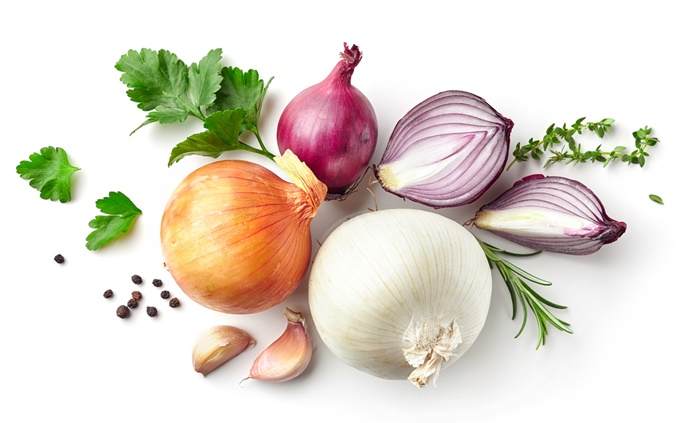
The efficacy of quercetin in onions 3
1. Anti-cancer effect
Onions contain a lot of quercetin, and according to the National Cancer Institute, quercetin in onions inhibits the activity of carcinogens and inhibits the enzyme action of cancer cells. In addition, the World Cancer Research Foundation recommends eating lilies and vegetables such as onions frequently, saying they have the effect of lowering the incidence of stomach cancer.
2. Antioxidant effect
quercetin is a representative antioxidant, and according to an analysis of more than 50 vegetables by the Korea Food Research Institute, the antioxidant power of the onion itself is much lower than that of garlic, but the antioxidant power when absorbed into the body is the highest at 48%. This helps delay aging by suppressing oxidation in the human body.
3. Vascular health
high-fat diet and smoking causes cholesterol to stick to the walls of blood vessels. If you eat onions at this time, quercetin breaks down cholesterol in your blood vessels, cleaning your blood vessels. In particular, diabetic patients develop blood clots as sticky blood flows, which prevents blood clots because quercetin softens hard arteries and facilitates blood flow.
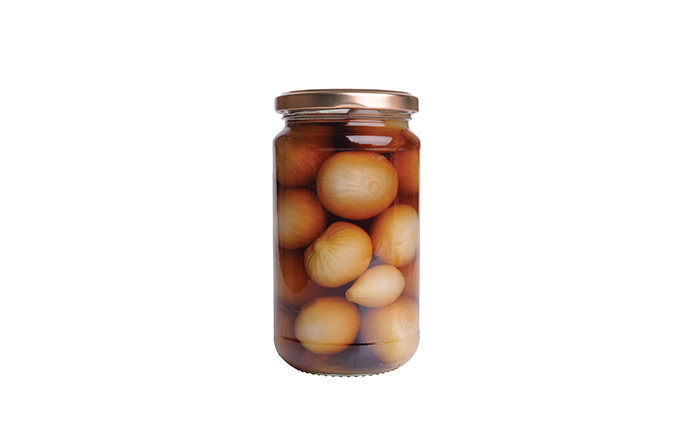
Onion, how to eat it?
In order to absorb the ingredients contained in the
onion in an optimal condition, it is recommended to eat it with the skin. This is because the shell contains a large amount of major ingredients. The area with the most quercetin is also the outer shell, and the content decreases as it goes inward. There is no effect on the cooking method. Usually, when heat is applied to food, the ingredient content often decreases, but onions do not. As a result of comparing the content of quercetin when boiling, frying, and frying onions, it was confirmed that more than 95% of quercetin in onions is preserved regardless of the cooking method.
Picture Shutterstock