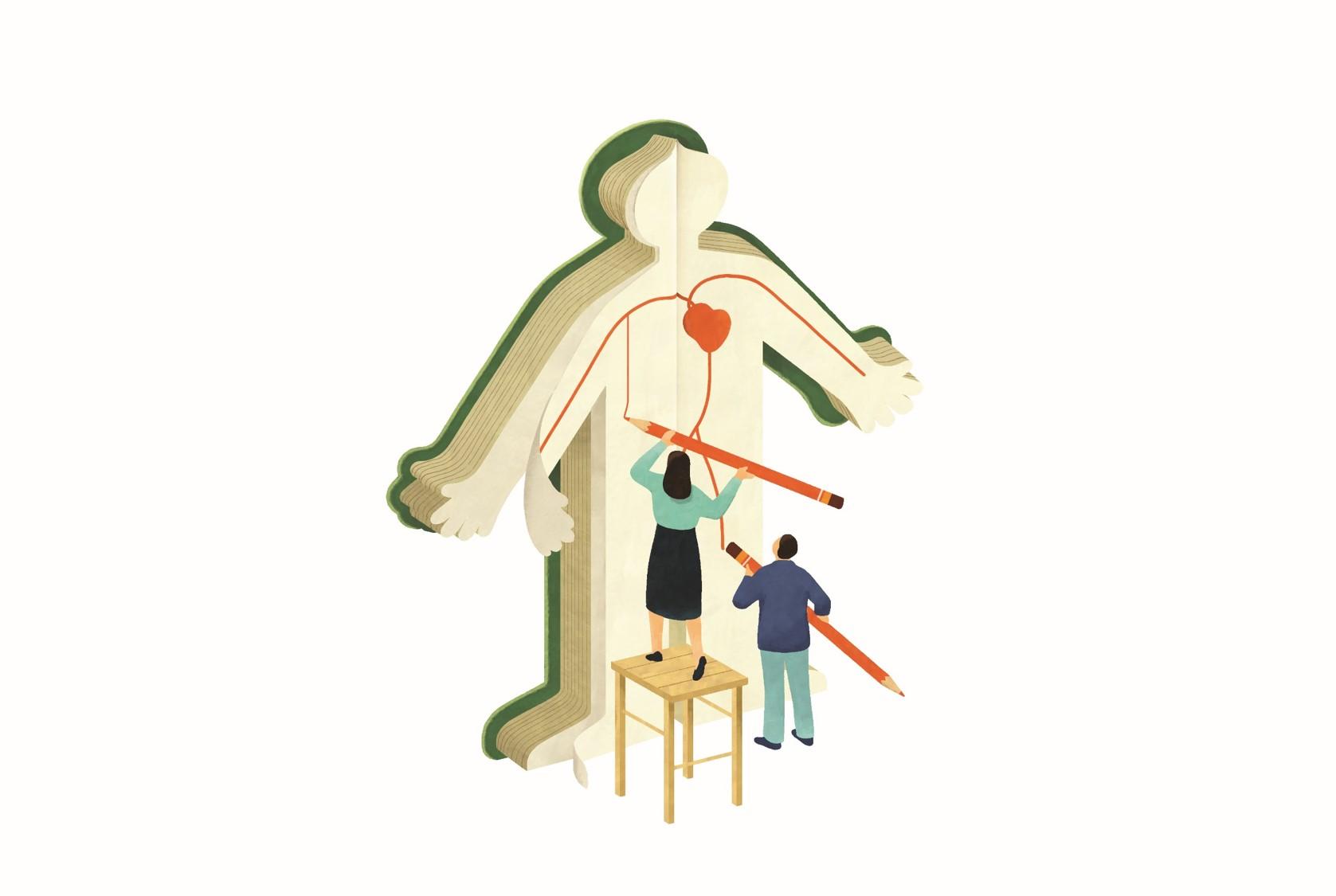
thrombosis
clumps of blood in blood vessels. Usually, it disappears naturally through the fibrin dissolution process, but in the case of pathological occurrence, the amount of production is high, so it cannot be dissolved in the body, which is the main culprit that blocks blood vessels.
infarction
Thrombosis, etc., causing blood vessels to block and cause tissue cells to die due to blood flow. When cerebral blood vessels are blocked, cerebral infarction occurs, and when cardiovascular vessels are blocked, myocardial infarction occurs.
ischemia
blood vessels become clogged or narrowed, resulting in tissue not receiving adequate blood supply and lack of nutrients needed to survive, the most severe condition of ischemia is called infarction. The types of ischemia can be divided into cerebral ischemia, intestinal ischemia, and myocardial ischemia depending on the organ area where blood flows less.
pulse pressure
The difference between maximum and minimum blood pressure is around 40mmHg in adults. Even if your blood pressure is normal, if your pulse pressure is high, you should suspect a decrease in blood vessel elasticity or arteriosclerosis. A large or sudden change in pulse pressure may be a sign of metabolic disease.
supragmatism
A symptom caused by inflammation of the blood vessels and bleeding under the skin. It refers to a condition in which the skin is discolored to red or purple and does not turn white even when applied. In the early stages of epididymis, small red or purple spots appear on the legs or feet, but if the symptoms become chronic, they spread throughout the body and become large. Symptoms such as abdominal pain, vomiting, severe pain in the knees and ankles, and swelling appear together.
Burger disease
Inflammation of the arteries and veins of the hands and feet, resulting in tissue necrosis. It was named after Leo Berger, an American doctor who first reported the disease in 1908. It is also called closed thrombovascular disease or obstructive thrombovascular disease.
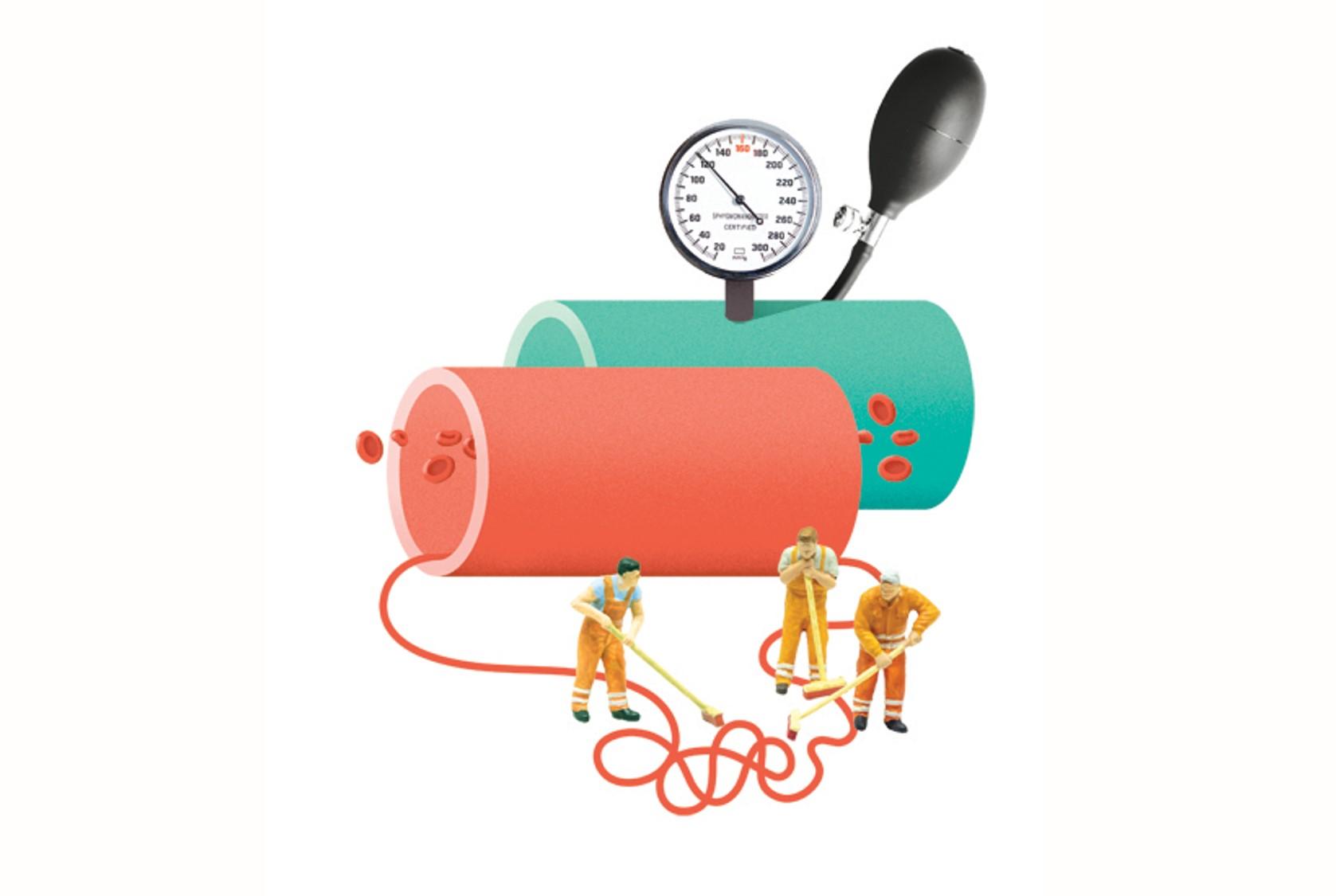
arteriosclerosis
A phenomenon in which fat or cholesterol adheres to blood vessels, narrowing arteries and losing elasticity. Narrowing arteries can cause tissue necrosis as blood does not reach the end of the tissue, causing pain, numbness, and paralysis.
angina
heart arteries are partially closed and usually asymptomatic, but if the heart is active a lot, it is caused by insufficient blood supply to the heart. It usually causes squeezing pain in the chest area. Angina is divided into stable angina, unstable angina, and heterozygous angina.
myocardial infarction
heart is largely activated by three cardiovascular systems for oxygen and nutrients. It refers to a situation in which tissues or cells of the heart muscle die if any of these three blood vessels are blocked and oxygen and nutrition supply to the whole or part of the heart is reduced.
stroke
A sudden symptom caused by a lack of blood flow to the brain. It is largely divided into ischemic cerebrovascular disease caused by blockage of cerebrovascular vessels and hemorrhagic cerebrovascular disease caused by rupture of cerebrovascular vessels. Stroke, commonly called stroke, is a disease that has topped the list of single disease deaths for many years.
cerebral infarction
A disease in which blood vessels in the brain are blocked and parts of the brain die. If 30% of the causes of cerebral infarction are arteriosclerosis that occurs in thick arteries, another 30% is "small vascular disease." Since most small blood vessels supply blood where motor nerves are distributed in the deep part of the brain, even small cerebral infarction can cause severe disorders.
brain hemorrhage
A disease in which blood vessels supplying blood to brain tissue are ruptured and blood leaks into brain tissue. Sudden occipital pain, dizziness, and paralysis appear and can cause seizures. In severe cases, you may fall into a deep coma.

cerebral aneurysm
cerebrovascular wall causes fine cracks and expands abnormally to form a new space in the blood vessel. If a cerebral aneurysm bursts and bleeding occurs, severe pain occurs as if it were hit hard on the head with a hammer.
hyperlipidemia
state of high cholesterol in the blood. If this condition persists, there is a high probability of arteriosclerosis, and the incidence of heart disease increases in proportion to the degree to which cholesterol in the blood increases. Recently, the number of patients has been increasing due to westernized diet, and most patients are caused by lifestyle problems, so they can improve their diet and exercise sufficiently.
lower varicose veins
'flow' means 'hump', and varicose veins refer to the expansion and swelling of veins like lumps for some reason. Usually, it protrudes from the surface of the body in the shape of a dark purple or blue twist, and the case that occurs on the legs or feet is called varicose veins.
deep vein thrombosis
a condition in which venous blood in the leg is stagnated, resulting in thrombosis in the deep vein (deep area). It is often called "Economy Class Syndrome" because it occurs in passengers sitting in narrow seats during long-distance flights. Symptoms include swelling and pain in the lower extremities, and in severe cases, the skin of the legs turns red or blue, and heat is felt on the skin. In addition, when the foot is tilted upward, I feel pain in the muscles of the tendon.
capillaries distributed in the skin of capillaries dilatation
refer to the state in which the once-expanded blood vessels are expanded without contracting again. When normal, the blood vessels are not visible on the outside of the skin, but when the blood vessels expand, red and thin actual worm-shaped blood vessels are exposed on the outside of the skin and stand out.
Lateral paralysis
Less muscle weakness in one limb or face part of the body. One-sided paralysis of the face is judged by the symmetry of both sides of the face when making an expression, and one-sided paralysis of the limbs is judged by whether the weight of the limb on the side with abnormal symptoms can be supported without help.
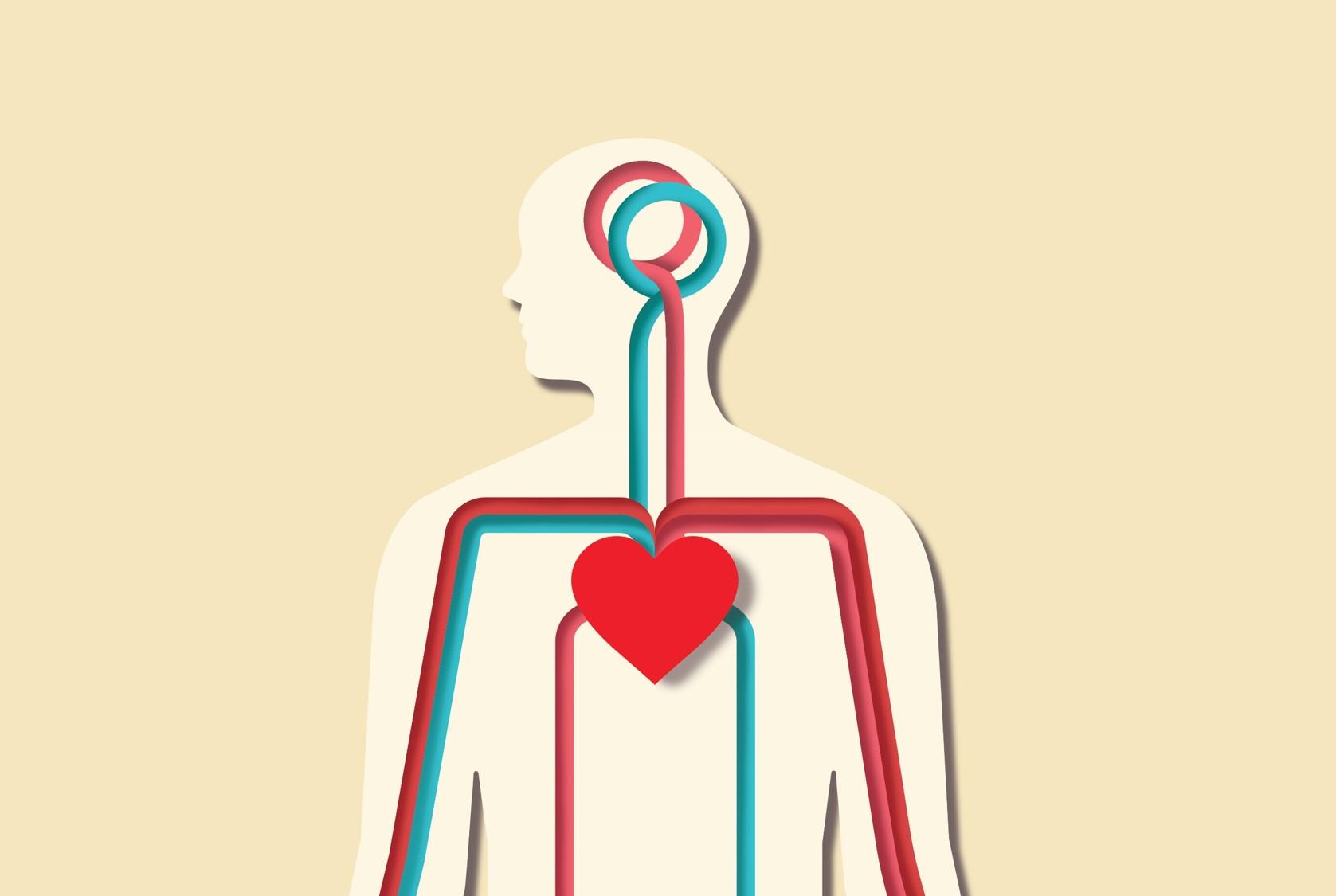
lipid test
blood lipid components to differentiate hyperlipidemia and calculate the risk of coronary artery disease. Adults over the age of 20 should measure once every 1-5 years, and fasting for 12 hours before blood collection is basic. It is important to abstain from drinking for 72 hours before blood collection and to collect blood on an empty stomach. Types of lipid tests include cholesterol, triglycerides, high-density lipoprotein cholesterol (HDL), and low-density lipoprotein cholesterol (LDL).
EPA
Unsaturated fatty acids (Omega3 fatty acids) that are not produced in the body and must be consumed as food. It is effective in preventing adult diseases such as arteriosclerosis and myocardial infarction by lowering the blood cholesterol content and suppressing the formation of blood clots.
Daily ischemic attack
It refers to a complete recovery within 24 hours of a stroke (usually within an hour) caused by a temporary lack of blood to the brain, also called a mini-stroke. Although it is a strong warning against stroke, many people often overlook it and miss the timing of treatment because stroke symptoms come briefly and improve quickly.
antiplatelet agent
It is a drug that inhibits thrombus production by preventing platelets from agglomerating in blood. It is used to prevent recurrence of angina, myocardial infarction, and cerebral infarction, or to suppress the production of blood clots after coronary artery disease-related procedures. Antiplatelet drugs can slow hemostasis, so you should stop taking them in advance if you have surgery or dental procedures. It can also cause bleeding in the stomach, nose, and gums, and can cause gastrointestinal side effects such as indigestion and vomiting and headaches.
LDL Cholesterol
Low-density cholesterol (LDL cholesterol) is commonly called "bad" cholesterol because it can build up on the walls of blood vessels and cause cardiovascular and cerebrovascular diseases, but is an important indicator of drug dose control. If the total cholesterol level is less than 200 mg/dL, LDL cholesterol level is less than 130 mg/dL, and HDL cholesterol level is more than 40 mg/dL, it is diagnosed as appropriate.It is a form of fat synthesized in the body of
Neutral Fat
It is present in various parts of the body and is sometimes used as an energy source when calorie intake is insufficient. However, if triglycerides are accumulated in the body due to increased triglycerides, hyperlipidemia can occur. Neutral fat levels should be less than 150 mg/dL.