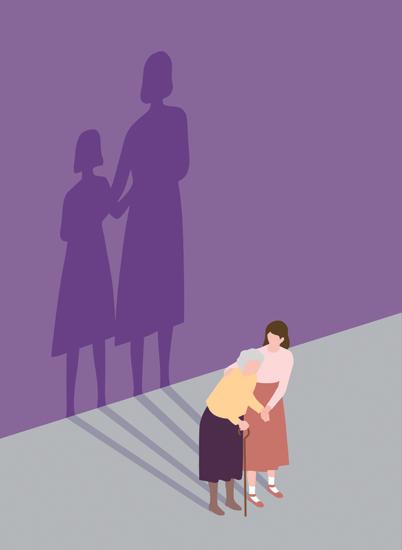
Early Dementia, Admitting and Accepting
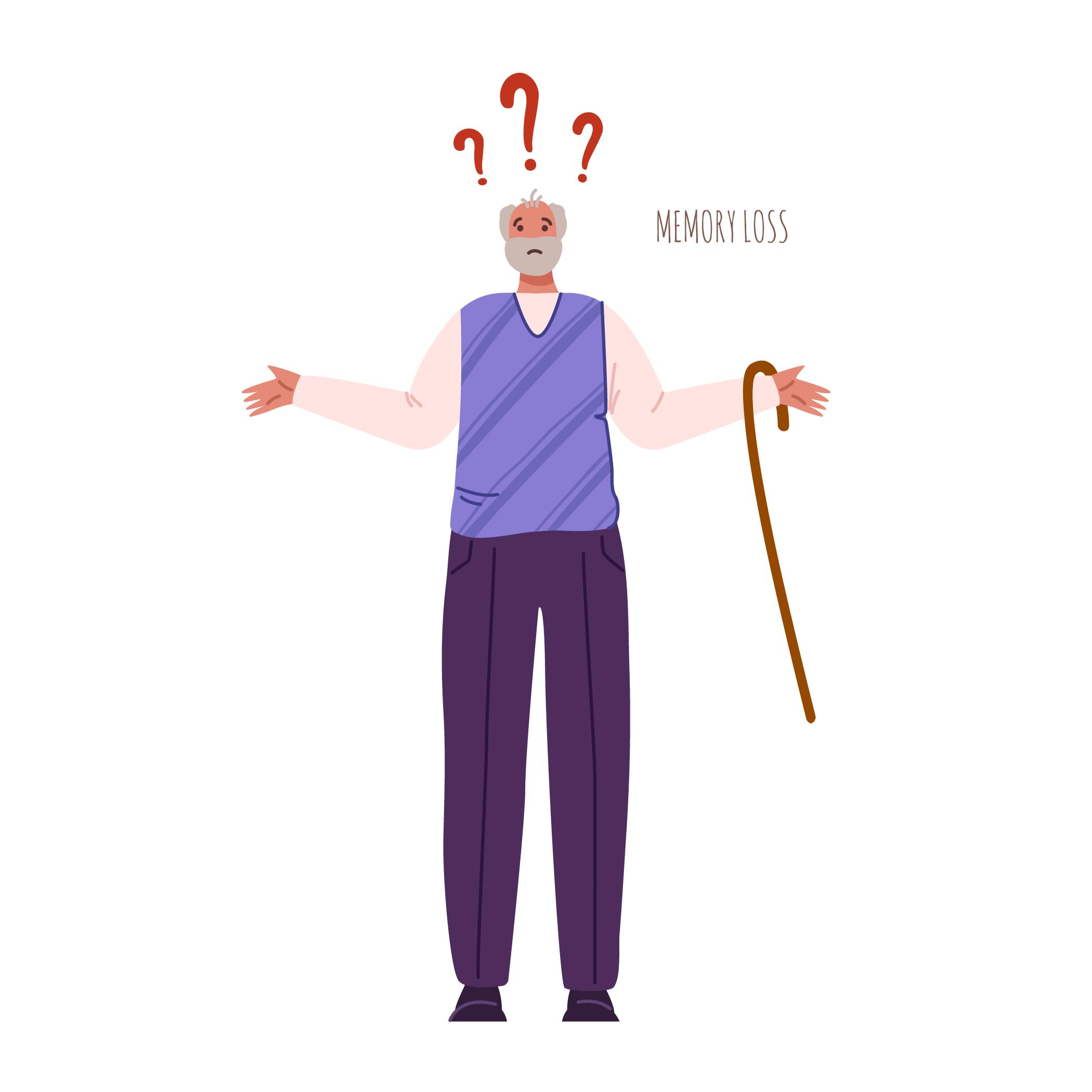
Q1 "What was I going to do?”
Early dementia patients with memory loss
forget what they just did or what they needed to do, such as leaving the gas stove on and forgetting or not turning off the tap.
▶This is how you deal with it
Don't push the patient, but the caregiver solves the problem himself. If you get angry and scold, the patient can lose self-esteem and worsen the symptoms. To prevent accidents, gas valves, etc., which have dangerous factors, should be closed in advance. You should remember that there are still many things you can do even if some of your abilities are poor and treat your patients with a positive mind.
Q2 "Why throw it away when it's all useful later?"
Sometimes you don't want to throw away trash like moldy food. This is because the cognitive function is deteriorated and the object that needs to be thrown away is not recognized as trash.
▶This is how you deal with it
Don't argue whether it's trash or not, but persuade them to take care of it by asking if they want it. Take a picture of the garbage piled up and show it to explain why it should be thrown away step by step. However, if the patient is excited, take a moment and try when the patient is comfortable.
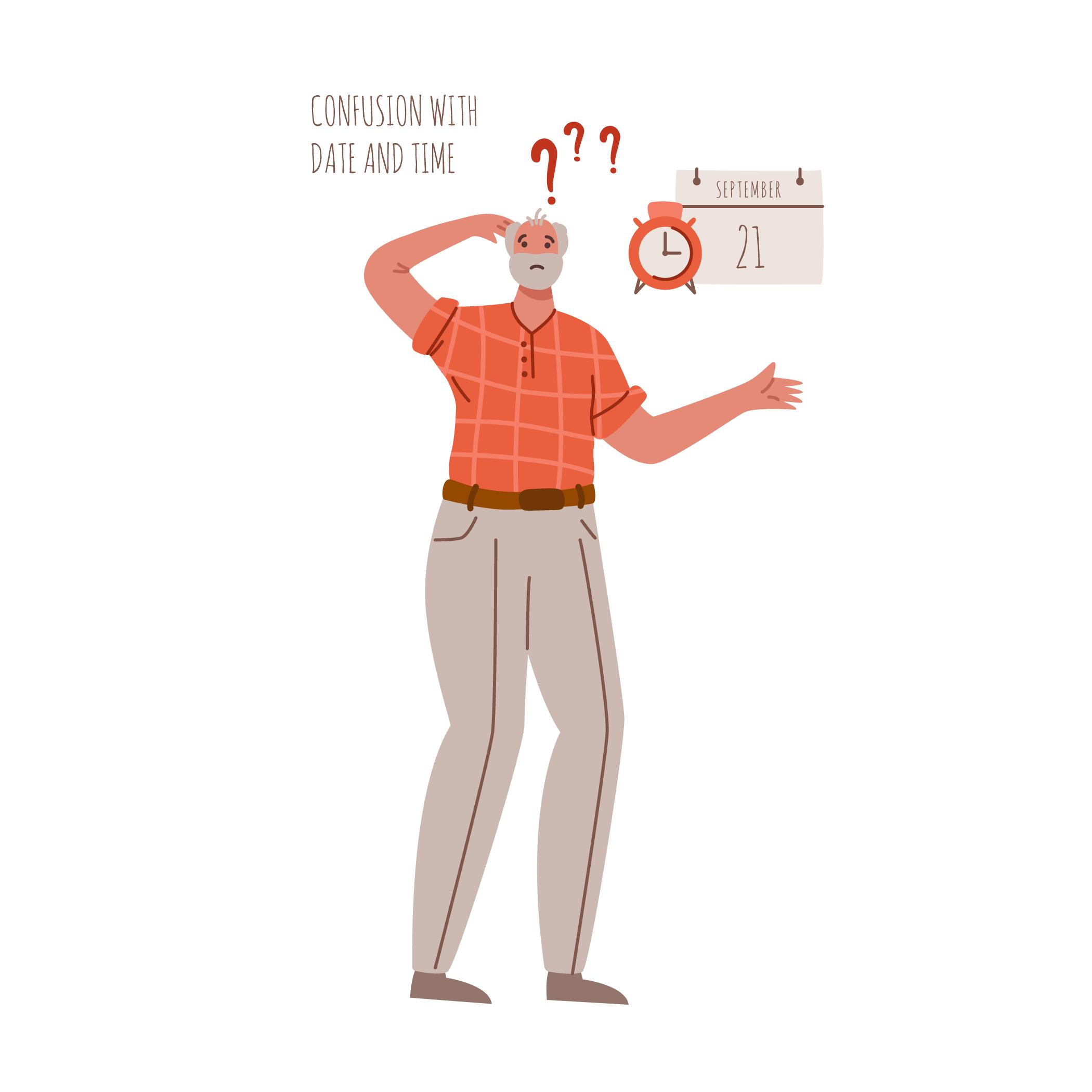
Q3 "What time did you just say?”
As your ability to learn new deteriorates, you forget what you just talked about. It quickly forgets what you want to remember, which increases the patient's anxiety
▶This is how you deal with it
Even if the patient continues to repeat the question, he smiles and answers patiently as many times as possible. Unlike forgetfulness, which is simply not easily recalled, dementia is an "unremembered state." It is important to understand the symptoms of such dementia and comfort the patient so that he or she does not feel anxious.
Q4 "I don't know what you're talking about"
When accompanied by a
speech disorder, you forget the name of the object or you don’t understand the conversation. When symptoms worsen, it is difficult to express one’s intention in words.
▶This is how you deal with it
Speak slowly and repeatedly in easy words, and if you don't understand it, explain it with gestures and gestures. Even if the patient's words are ambiguous or inaccurate, nod and respond to them. If you disconnect because it is difficult to communicate, language disorders can worsen, so it is important to communicate kindly with patience, patience, and affection.
Mid-dementia, creating a dementia-friendly environment
Q1 "How do I wear this?”
If you lose your performance and judgment, you don't get to wear and take off properly. Sometimes, I change my underwear and outerwear.
▶This is how you deal with it
Even if it takestime, it teaches the movements one by one so that you can do it alone on your own. Even if you wear the wrong clothes, don't point it out and help you fix it right away, saying, "This looks good." If the symptoms worsen, you may forget the purpose of changing clothes, so it is better to give clothes with an easy-to-wear design considering the patient's taste.
Q2 "I have to die now, I want to die"
Expressing 'I want to die' is also a sign to help yourself. Depression can worsen dementia symptoms, so neuropsychiatric treatment should also be considered.
▶This is how you deal with it
Don't stop or turn a blind eye. You should treat the patient with a smile so that you can stabilize your mind and body, and pay attention to the patient's appeal in a warm tone, saying, "Are you having a hard time?" It tells the patient that he is a precious being needed for the family so that the patient does not feel anxious.
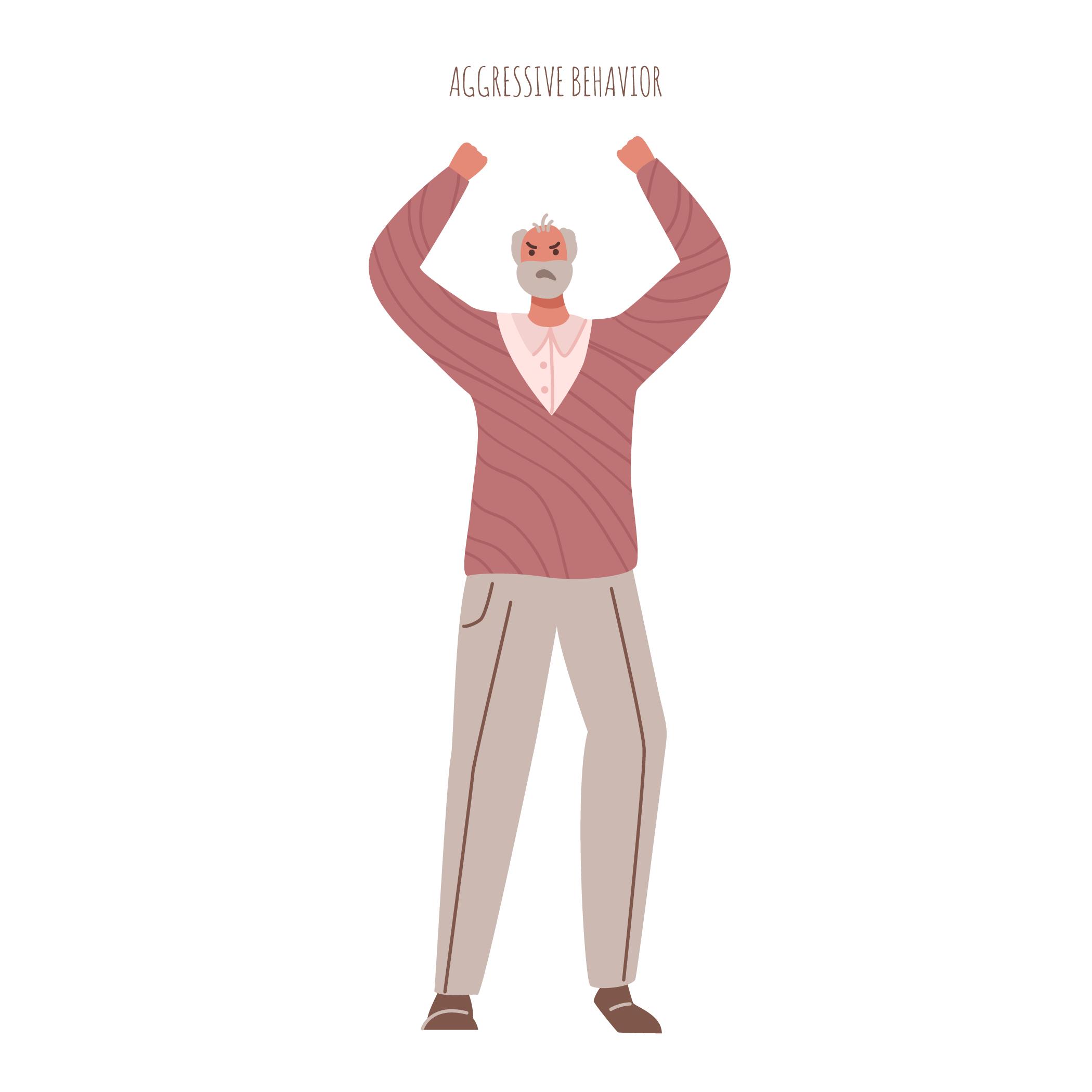
Q3 "The money is gone. You stole it, didn't you?”
patients are more suspicious because they blame others for things they don't remember. Doubt intensifies and delusions can lead to violent behavior.
▶This is how you deal with it
When a patient doubts, don't deny it on the spot and respond by saying, "Really? Let's look for it together." When storing items that patients consider important, if you make eye contact in front of them and check the place to store them, they can remain in memory for a long time and reduce suspicious symptoms.
Q4 "Is this the bathroom?”
I forget where to go to the bathroom, how to use the toilet, how to use the toilet, and I sometimes pee anywhere. They also touch it with their hands because they don't know how to deal with it.
▶This is how you deal with it
Don't yell or scold, clean up your urine right away. If a patient shows signs of defecation, such as putting his or her hand into a diaper or pants, he or she is taken directly to the bathroom and regularly checks whether he or she needs to pee. It is also good to mark the bathroom big or leave the bathroom door open.
Late Dementia, Emotional Control
Q5 "Did I eat?”
In the order of time, place, and person, the overpower gradually decreases, and at the end of the period, the family may not be recognized.
▶This is how you deal with it
In this case, you should not react emotionally and instead of denying the patient's words, you should explain the relationship in a relaxed and repetitive. At the end of dementia, daily life is impossible alone and physical complications are accompanied. When muscles become stiff and difficult to move, you may have to lie down all day.
Carers should make wise choices by accepting patient changes and prioritizing the happiness of patients, themselves, and their families. If the emergency situation continues and it is difficult to manage at home, specialized facilities such as nursing hospitals and nursing homes should be used, but emotional burdens such as guilt, depression, and anxiety should be relieved.