
Thick socks cause frostbite?
Don't wear thick socks and shoes to avoid the cold. This is because sweating on the feet increases the humidity in the shoes, which increases the risk of frostbite. In cold weather, it is recommended to wear socks of moderate thickness that absorb sweat well. In addition, tight shoes and gloves should be avoided because they reduce blood circulation and expose them to cold for more than an hour.
Light frostbite can return to normal within hours after the skin is red and itchy, but in severe cases, it can kill muscles or bones. At this time, you may lose your senses and not be able to notice the symptoms, so be careful. If you get frostbite, do not massage or rub the damaged area until you go to the hospital and refrain from applying heat with a hot pack or stove. It is important to increase the temperature of the frostbite area, but it is difficult to maintain a certain temperature.
Therefore, rather than warming up, you should wrap the frostbite area with a dry towel and go to the hospital quickly. "If you usually have cold hands and feet, it is recommended to protect your entire lower body by wearing thermal underwear as well as your feet," said Sanghoon Lee, head of the hospital. In addition, it is necessary to strengthen the lower abdomen's power failure so that the lower body circulation can be carried out smoothly," he said.
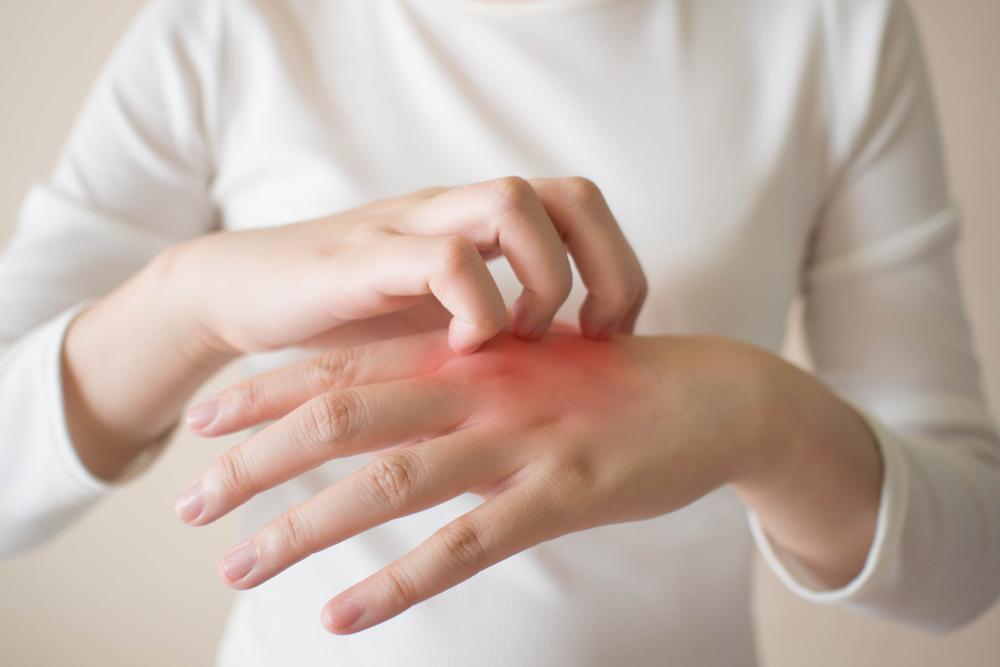
What if the cold wind itches your whole body?
If your skin is itchy every winter, you should suspect "cold hives." Cold urticaria is a disease that causes urticaria when exposed to cold air or cold water, and the skin often swells red and feels itchy, especially when entering a warm room from outdoors. In severe cases, headaches, shortness of breath, and low blood pressure can be accompanied.
Rarely hereditary, but since most are acquired, symptoms may suddenly appear due to environmental changes. To find out if you have cold urticaria, put ice on your arm for 3 to 5 minutes and check if urticaria comes up within 10 minutes. It usually appears in the hands or feet, so it is recommended to wear gloves or warm socks and rub your hands frequently to increase your body temperature.

Warming up with alcohol?
#29 There is a myth that drinking alcohol in the cold makes your body warm. In fact, sometimes you feel less cold after drinking, but drinking is one of the causes of hypothermia. Drinking alcohol increases metabolism, causing fever and warming, which is only a temporary phenomenon. Eventually, heat is released through the skin, and the central nervous system, which is responsible for body temperature control, is also deteriorated, making it easily exposed to the risk of hypothermia.
Since
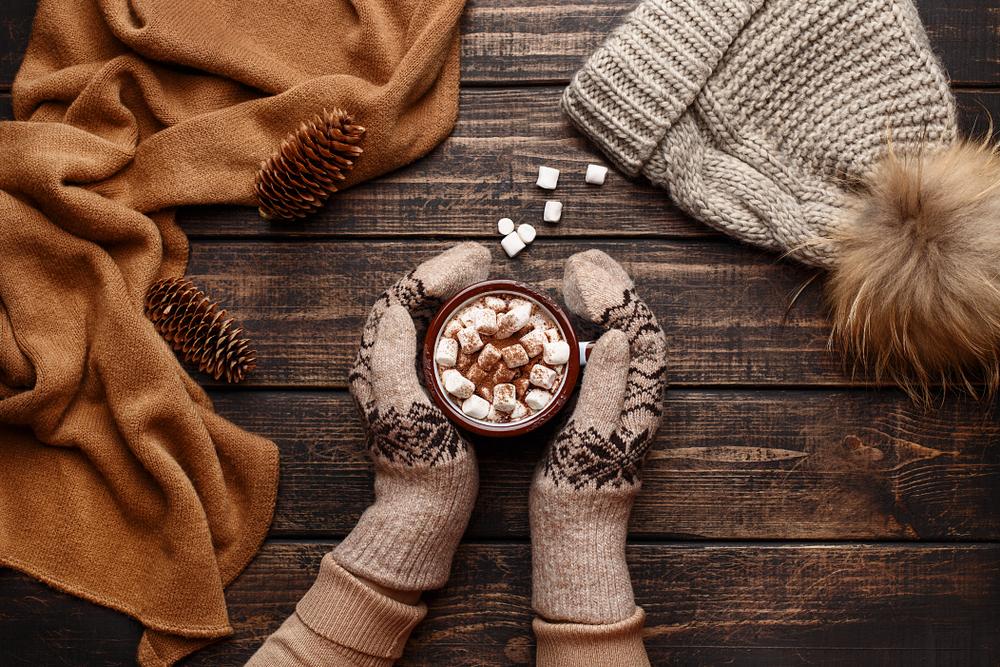
hypothermia occurs slowly, it is not easy to recognize only the initial symptoms. However, if you tremble excessively or your skin becomes cold and pale, you need to suspect hypothermia. It is better to keep your head warm to prevent hypothermia. This is because the head is the area where the heat escapes the most. If you wear a warm hat and a scarf, you can raise your body temperature by more than 2℃.
PLUS TIP
Cold Disease Prevention Tips
Clothes wear 3 or more layers
It is recommended to wear more than 3 layers ofclothes. It is recommended to wear clothes made of material that prevents wind or moisture and has good sweat absorption in clothes.
Check the sensible temperature before going out
Before going out, you should check not only the outdoor temperature but also the sensible temperature. When the weather is cold, it is recommended to refrain from outdoor activities as much as possible.
Drink warm water often
It is recommended to drink warm water or drinks frequently during work to maintain body temperature. It is recommended to take it in a thermos so that you can drink it frequently even when you are outdoors.