
herpes zoster, 1.3x dementia rate if treatment is missed
In July, a team of professors Kim Sung-han, Bae Sung-man (infectious medicine), Yoon Sung-chul (medical statistics), and Kim Sung-yoon (mental health medicine) at Asan Medical Center in Seoul analyzed the incidence of dementia in 34,505 patients aged 50 or older who were diagnosed with shingles from 2002 to 2013. As a result, the incidence of dementia increases 1.3 times if shingles is not properly treated or the treatment time is missed. This is because the shingles virus blocks the activity of insulin-degrading enzymes (IDE), which break down beta-amyloid proteins, the main cause of Alzheimer's disease dementia, and beta-amyloid can accumulate in the brain.
countryside, be careful of pesticides
It is said to be a healthy country life with good mountains and good water, but it is actually more exposed to the risk of dementia. The cause is pesticides. In March 2019, a team led by Professor Ko Sang-baek of Yonsei University's Wonju Medical School conducted an in-depth analysis of 169 farmers in the community over 14 years and found that exposure to pesticides more than doubled the probability of cognitive decline, which is a pre-dementia stage.
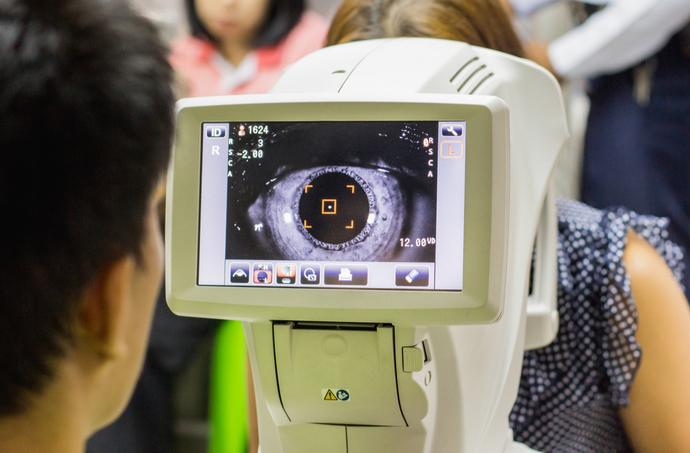
Glaucoma May Lead to Alzheimer's Dementia
Glaucoma increases your risk of dementia by up to 2.6 times. In 2018, a joint research team from Soonchunhyang University and Yonsei University published the results of a study that tracked the relationship between glaucoma and Alzheimer's dementia. Glaucoma is a disease in which the optic nerve that transmits visual information from the eye to the cerebrum is damaged, gradually narrowing the field of view, eventually leading to blindness. The optic nerve is a part of the brain and affects brain function when glaucoma occurs. It also has something in common with Alzheimer's disease dementia in that nerve cells shrink and inflammatory reactions increase.

The higher your dependence on your smartphone, the lower your memory
As dependence on
smartphones increases, the phenomenon of "digital dementia" in which people feel anxious and can't do anything without a smartphone is increasing. As people unconsciously rely on digital devices for everything in their daily lives, such as phone numbers and schedule management, more and more people experience memory loss and cognitive decline similar to dementia.

Bit disease increases risk of developing dementia by 26%
Gum disease is a common disease that 20% of Koreans experience, but you should be careful because it can lead to Alzheimer's disease and dementia if you pass it lightly. According to a study by Dr. Ryan T. Demmer of the University of Minnesota published in the international journal Neurology in August, a 18-year study of 8,275 men and women with an average age of 63 showed that people with periodontal disease had a 26% increased risk of developing dementia. This is because the causative agent of periodontal disease accelerates the accumulation of beta-amyloid proteins that cause dementia. As it is necessary to treat and prevent periodontal diseases in time to reduce the incidence of dementia, dental care should also be paid attention.