*Dementia-friendly society series
1.5060 generations are "most realistic" of fear of dementia
Advanced countries in dementia care, Denmark-Japan-UK dementia management methods 26$
28$29$ for dementia society to be 'friendly'?
Japan_Small Multifunctional Care Homes Deal With Details
Japan entered an aging society in 1970, followed by an aging society in 1994 and a super-aged society in 2006. Japan, which entered the world's first super-aged society, is currently building a dementia-friendly society with the "New Orange Plan." The strategy is being changed in a way that the entire community responds to measures led by the central government in a small but colorful way.
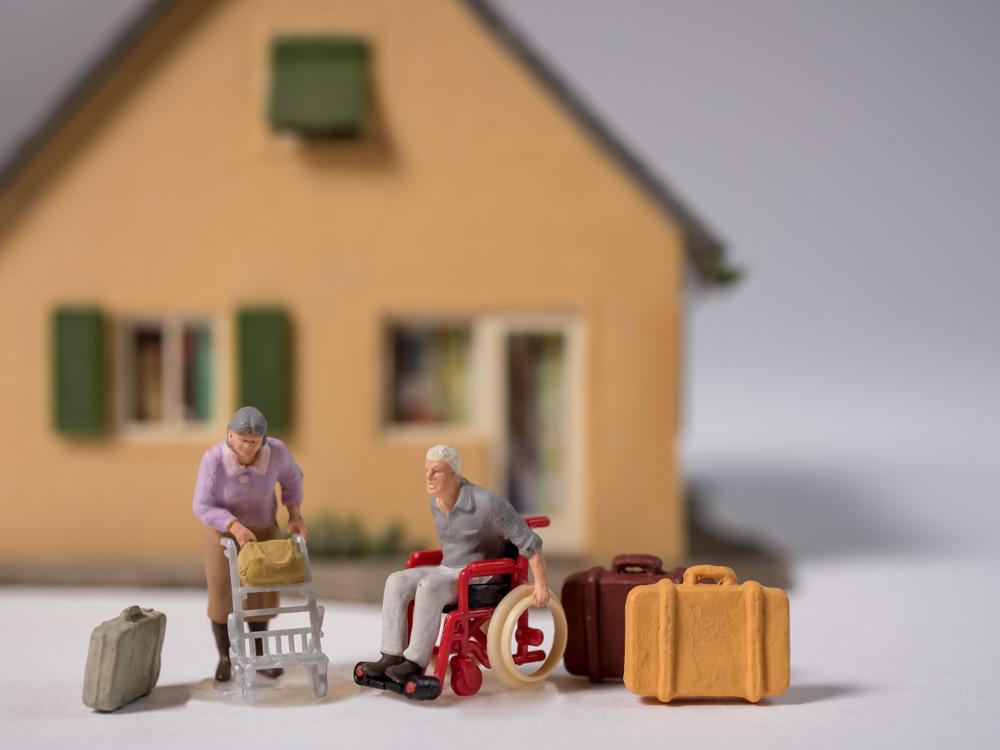
In particular, Omuta City, Fukuoka Prefecture, Japan, aims for a dementia-friendly society. Among the various projects implemented in Omuta City, one that is impressive is the "small multifunctional care house." Care homes are private facilities that take care of dementia patients in areas where the elderly live. The elderly can live their daily lives as before by going back and forth from the house where they live to the care house. In the care house, they live with their neighbors and other dementia patients. It is a kind of nursing home, and it can be said that there are employees and systems to take care of.
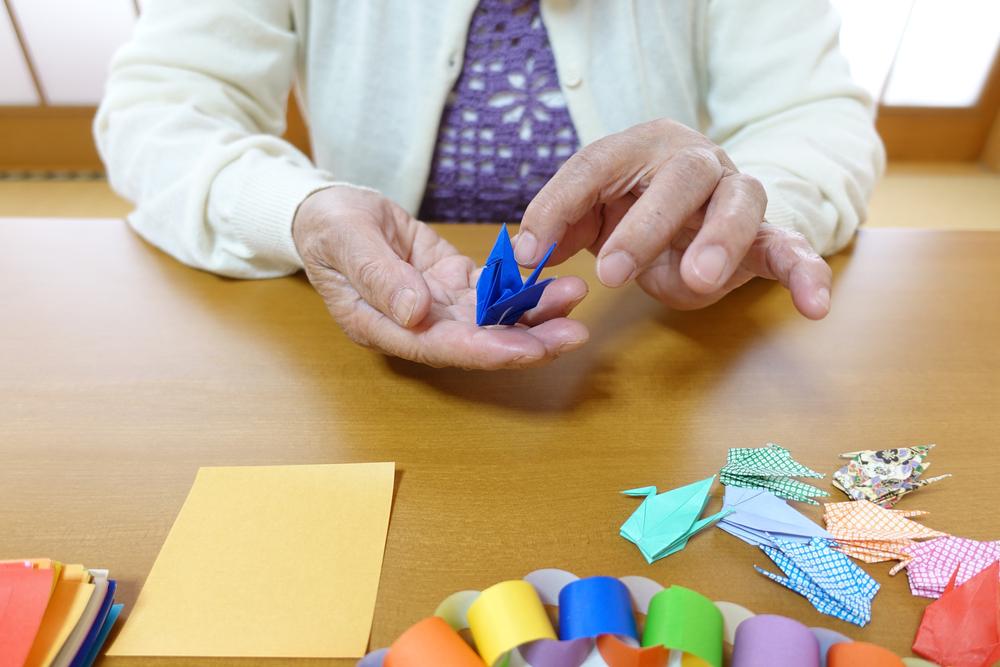
This is also good for families with dementia. You can live together and relieve the burden without letting go of your family's bond. Even when you have to leave the house for a few days with dementia patients, there is no problem because you can ask them to stay in a care house. Small multi-functional care homes also serve as a base for caring for dementia patients in the region. They visit dementia patients' homes four times a day to deliver food or check their health. There are 24 small multifunctional care homes in Omuta City alone.
It is similar to the number of local elementary schools, so it serves as a stronghold. In the future, it is said that it plans to establish one place per 10,000 people throughout the future. The key to small multi-functional care homes is that dementia patients do not drastically deviate from their daily lives. It guarantees a dignified retirement by allowing treatment and life to be carried out at the same time without changing the environment.
This familiar and comfortable environment can slow the progression of dementia in mild dementia patients, so it is effective from a treatment perspective. Small multi-functional care homes also have the advantage of being able to create a base where necessary because local governments consult with residents to make plans. It is possible because it is a society familiar with dementia.
Denmark_Dementia Village protects the dignity of old age
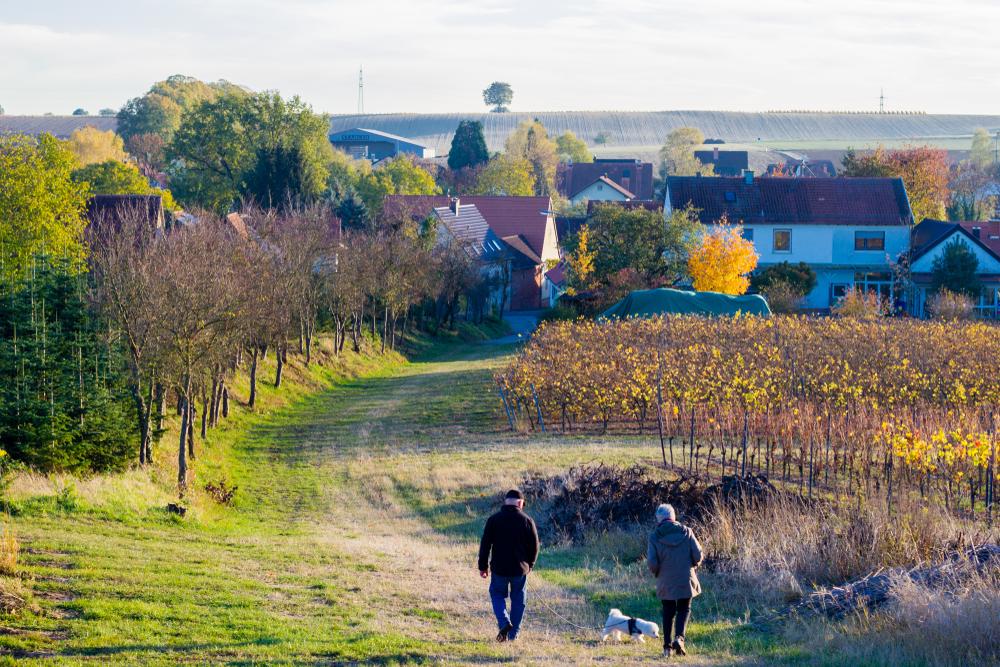
Denmark is a country with 18.9% of the population aged 65 or older. Among them, 20% are dementia patients. Like Denmark, where the perception of welfare is widespread, the perspective of dementia patients is mature. One side of it can be seen is the dementia village located in the small city of Svenbor. About 120 dementia patients live in villages created for them. It is two hours away from the capital Copenhagen, so it is accessible. At first glance, it may be reminiscent of a nursing home, a common space where dementia patients live, but it is a real village (not using the expression village).
Dementia patients who move into this village live a new daily life in their own space like apartments. Of course, even in personal space, I feel protected 24 hours a day with an emergency warning system. Families are also free to visit. Although it is a new space and environment, the comfort of dementia patients is different as it is not a place to manage dementia, but a place to coexist with dementia. The village is equipped with various facilities such as restaurants, shops, hair salons, and fitness centers.
So what's the difference from other towns. The important point is that as it is a dementia village, it understands dementia patients and treats them generously. For example, even if it takes a little time for the residents to pay for themselves in a restaurant, all the members wait calmly. Sometimes even if I forget to pay, I pretend not to know and move on. This is because it is enough to record it and later remove it from the pension.
In the end, the village system is operated from the perspective of dementia patients. Dementia Village is not a closed space where only residents live, but also nearby dementia patients can freely use it. There is also a program to enrich daily life by interacting with volunteers.
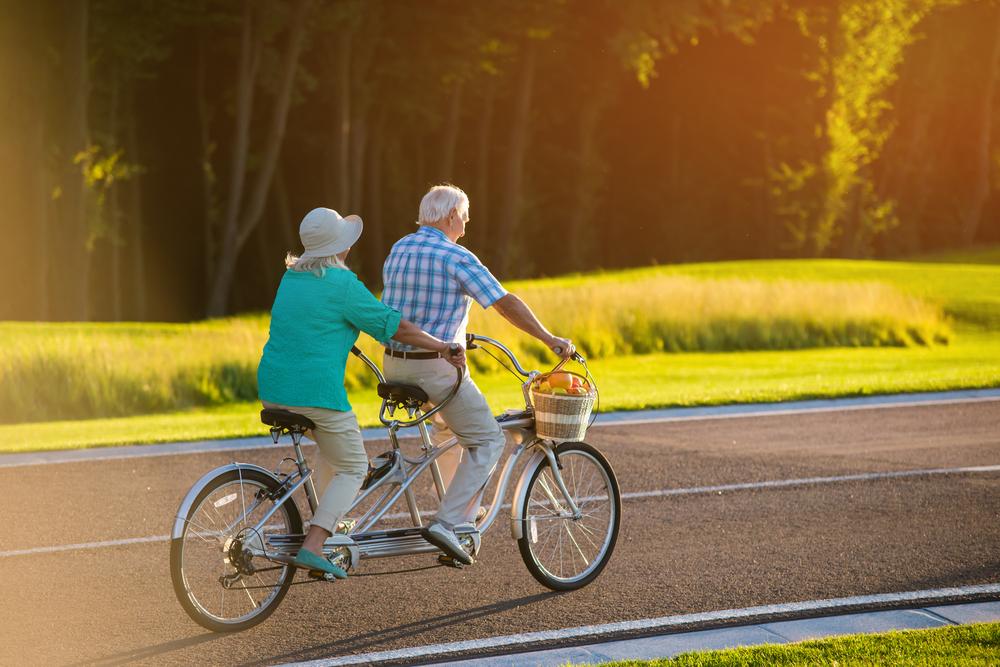
Singing and dancing together or riding a bicycle outside. In a way, the dementia village can be said to be a place that embodies the ideal of a dementia-friendly society. If a space like a dementia village expands to a city and a country, it may be able to accept dementia calmly without fear anymore. Denmark takes a step further toward its utopia through the dementia village.

UK_Changing its perception to dementia cafes all over the region
The UK has set a dementia-friendly society as a key agenda since 2012. Not in the way the government directs and sets, but in each community, non-profit charities have been at the center of the movement to improve dementia. Accordingly, the government is also assisting and supporting autonomous and self-sustaining local activities by officially certifying local self-sustaining dementia-friendly social projects if they meet certain requirements.
In the UK, we focused on changing perceptions in the region, especially by utilizing dementia cafes. Dementia cafes are literally cafes where dementia patients interact. A coffee tasting event will be held at a cafe in the center of the city, or a program will be prepared in which college students and dementia patients in the region interact. Furthermore, it develops and provides sports programs suitable for dementia patients. In other words, it plans and proceeds with various opportunities for dementia patients to interact around cafes.

These dementia cafes help create a dementia-friendly environment at regional hubs. It is also used as an exhibition hall, a dementia exchange center, and a place to hold workshops on dementia. The environment of freely interacting with dementia patients in cafes, the most familiar place in daily life, has great implications. This tells the level of social awareness of dementia.
This is because in order to revitalize the
dementia cafe, the understanding of members of society must precede. Performing various activities in a cafe, a space familiar to dementia patients, also has a positive effect. The key to a dementia-friendly society is how to preserve the daily lives of dementia patients. The daily life of dementia patients is in line with the dignity of old age. It is a posture centered on humans, not diseases.
Korea_Dementia Relief Center takes the first step in a dementia-friendly society
The basis of a
dementia-friendly society is the region. It changes the perception of dementia through regional hubs and supports dementia patients through various programs. In Korea, the Dementia Relief Center will serve as a base after the announcement of the national responsibility system for dementia. It registers and manages dementia patients in the region and provides early dementia screening services. They also provide identification tables for dementia patients or operate shelters for dementia patients.
There is also a program for families with dementia. Healing programs are also planned for psychological stability. In connection with the local community, campaigns to change the perception of dementia and public guardianship projects for dementia are also carried out. Currently, there are 256 dementia relief centers nationwide.

Of course, it is still difficult to expect careful and full-fledged care services like overseas cases. It hasn't been long since it started, and the environment is poor to carry out the business properly. However, since it is a lot of changes compared to the days when the word dementia relief center was not even there, we can expect the movement of the community centered on the dementia relief center in the future.