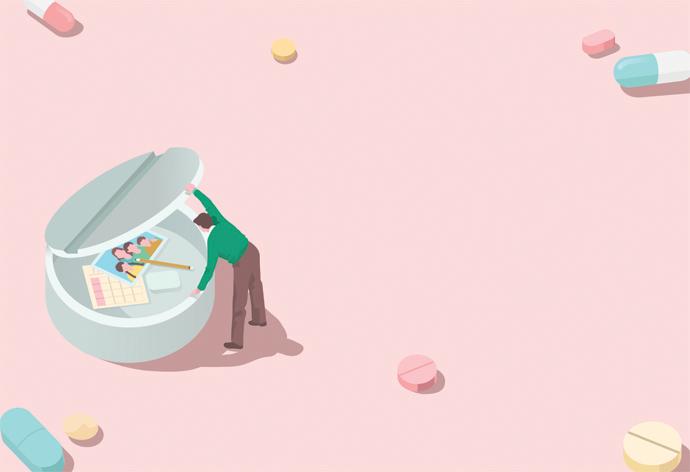
Dementia treatment, how far has it been developed?
Looking at early dementia patients visiting
pharmacies, we realize that an aging society has arrived. According to the Central Dementia Center of the Ministry of Health and Welfare, the number of dementia patients in Korea is estimated to be 690,000, and it is expected to exceed 1 million in 2024. Dementia is a threat to all of us enough to say that the government will create a “country free from dementia,” and dementia, which is difficult to treat, has very limited treatments. Although the world’s leading pharmaceutical companies have invested huge research funds to develop dementia treatments, no treatment has been developed to drastically treat dementia.
So what are the prescribed treatments for dementia? Dementia is a disease that is bound to worsen with age, and some treatments slow the progression of these diseases. In other words, it does not return the memory ability that has already deteriorated, but if you take it steadily, it allows you to face a more serious situation later. An ingredient called "donephezil," which is mainly prescribed as a treatment for dementia, is a drug that helps improve cognitive function by increasing the amount of a substance called acetylcholine in the body. However, it does not help destroy brain cells, which are considered the main cause of dementia, and there are no drugs yet to prevent brain cells from being destroyed.
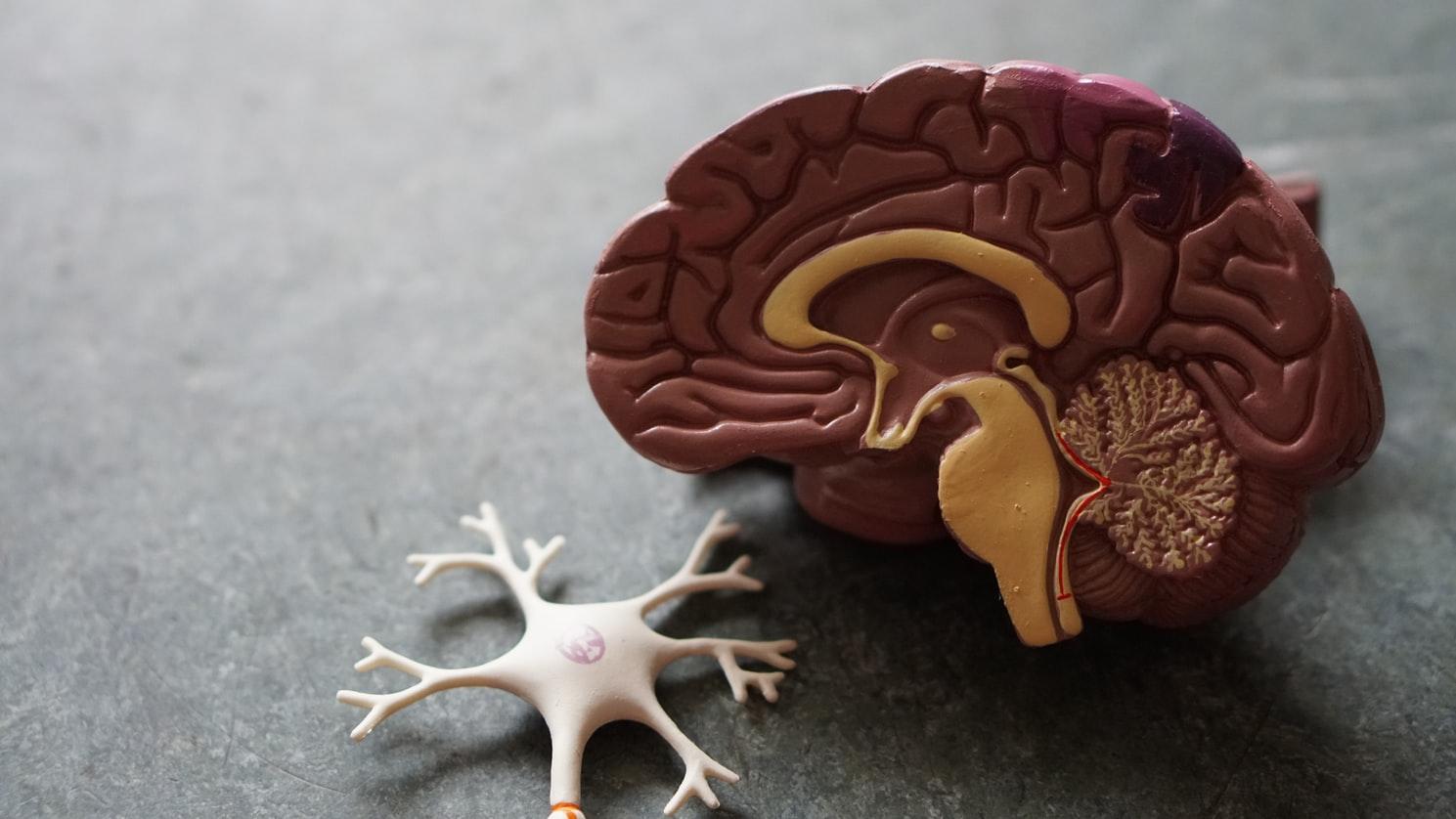
Alzheimers, Vascular Dementia, Depending on type Drugs vary
There are
Alzheimer’s dementia and vascular dementia. Alzheimer’s dementia is caused by the accumulation of a substance called “beta amyloid” in the brain. When beta-amyloid begins to accumulate in nerve cells in the brain, nerve cells are destroyed, resulting in Alzheimer’s dementia. In particular, beta-amyloid increases the amount generated in the body as it ages. Even if you are depressed or anxious, the amount of occurrence increases.
Older people are more vulnerable to Alzheimer's dementia as they often suffer from depression or anxiety with aging. Vascular dementia is related to cerebrovascular diseases such as cerebral infarction and cerebral hemorrhage. Vascular dementia can occur if blood flow to the brain decreases or cerebral blood vessels burst and brain nerves are damaged. Vascular dementia is treated using a drug called "choline alfoscerate," and the treatment may vary depending on the site or degree of occurrence.
However, Alzheimer's dementia, which accounts for about 50% of all dementia, which we are familiar with, currently has no clear cure. Many pharmaceutical companies have started developing treatments to block beta-amyloid, which causes dementia, but have not had a meaningful effect, so many believe that a complex approach is needed, such as blocking beta-amyloid, inhibiting acetylcholine-like enzymes, and inhibiting tau protein.
To date, inhibiting acetylcholine degradation enzyme can improve cognitive function, and tau protein inhibition is mainly used to treat "Donepezil," ribastigmine, and galantamine, which inhibit acetylcholine decomposition enzyme, according to the results of phase 3 clinical trials. As there are no clear treatments so far, pharmaceutical companies are focusing on developing natural products that help dementia as drugs, and various media report this information as ingredients that help dementia.
Ginkgo Leaf Extract Ingredient Supplement, Effects and Precautions?
Then what are some commonly used drugs for dementia symptoms? The "choline alfoscerate" ingredient mentioned earlier is the most commonly prescribed drug for dementia patients, and it is known to help with secondary symptoms, degenerative mental syndrome, and emotional and behavioral changes caused by cerebrovascular deficits. However, recently, the drug has been controversial, and benefits have been recognized only for the treatment of symptoms caused by cerebrovascular deficits caused by dementia, and benefits are excluded for indications such as emotional changes and depression.
If you're looking for supplements to help with memory loss as well as dementia, there's a "ginkgo leaf extract." The German Medical Journal (Arzneim Forsch Drug Res) also published a study that found that ginkgo leaf dry X improved to a significant level when administered to Alzheimer's disease or vascular dementia patients aged 50 or older, and ginkgo leaf extract is frequently prescribed to dementia patients.
According to clinical results published in the
Journal of Ethnopharmacology, a review of documents related to the effect of ginkgo leaf extract in dementia patients showed that taking more than 200 mg a day and more than 22 weeks was effective in treating dementia. However, ginkgo leaf extract has the effect of thinning blood, so patients who administer “low aspirin dose” if they have cardiovascular disease in old age increase the tendency to bleed aspirin, so caution is required when combined.
As explained earlier, prevention is the best medicine because there is no clear treatment for dementia. You should refrain from drinking and smoking, which improves brain blood flow and increases the risk of cognitive impairment through constant aerobic exercise. If you frequently experience forgetfulness and are worried about dementia, it is also recommended for those aged 60 or older to undergo a dementia screening test at a local health center.