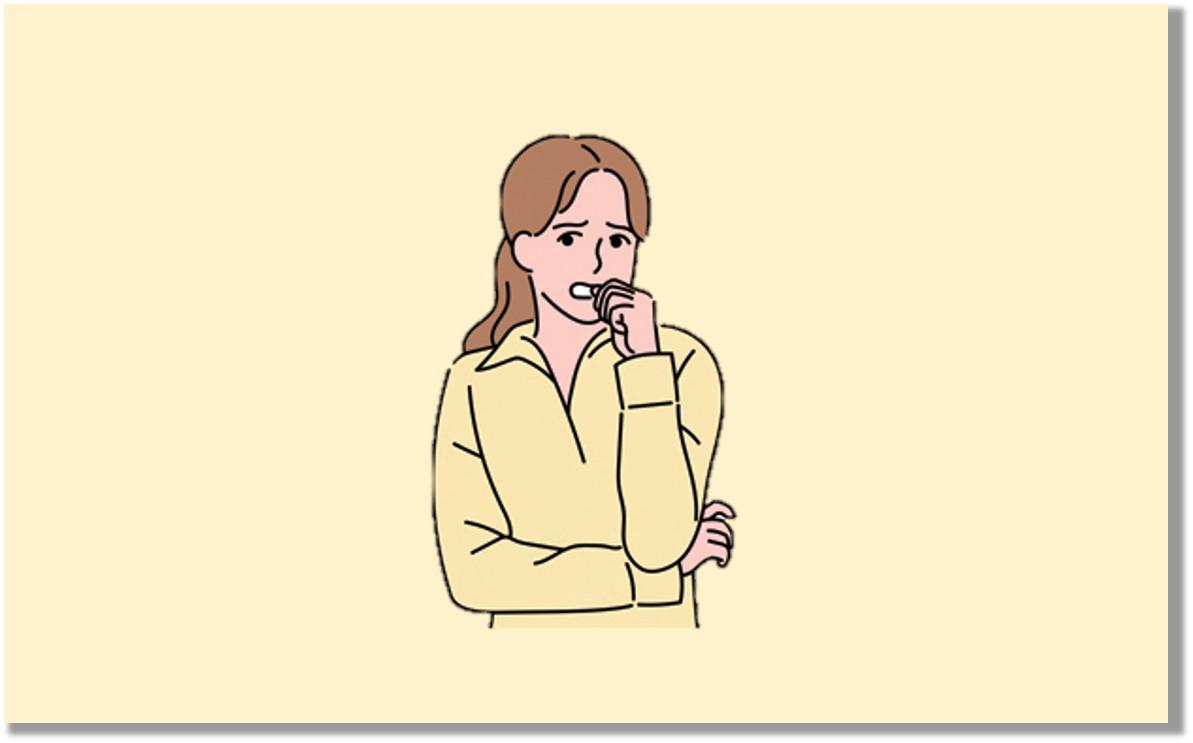
I crave late night snacks every night. Even if I'm not hungry, I eat first, but when I eat, I wonder if I was hungry.
Reason 1
Spicy, salty, and sweet food
In general, animals are usually satisfied when they eat a certain amount, and they don't eat anymore. The same was true of people. However, modern people said, "The stomach for rice and dessert are separate," and it has become a daily routine to eat food even if you are not hungry. The reason is that I am used to spicy, salty, and sweet foods. Dr. Kima Cargill, author of <Psychology of overeating>, explains, "The artificial flavor mixed with sugar, salt, and fat stimulates neurons that control behavior, causing an urge to eat." The appetite, which was dependent on hunger or satiety, is dependent on the intense taste, leading to overeating.
solution
Cognitive script making
Creating a sentence in advance that can sufficiently suppress impulsive thoughts about food is called a 'cognitive script'. For example, let's say you suddenly crave chicken after watching a chicken commercial in the middle of the night. 'I'm craving chicken tonight. If you think, 'You should eat a little,' remove this thought with a prepared line. "You'll probably keep eating once you start eating." If you hold it in now, you'll feel better tomorrow morning.’
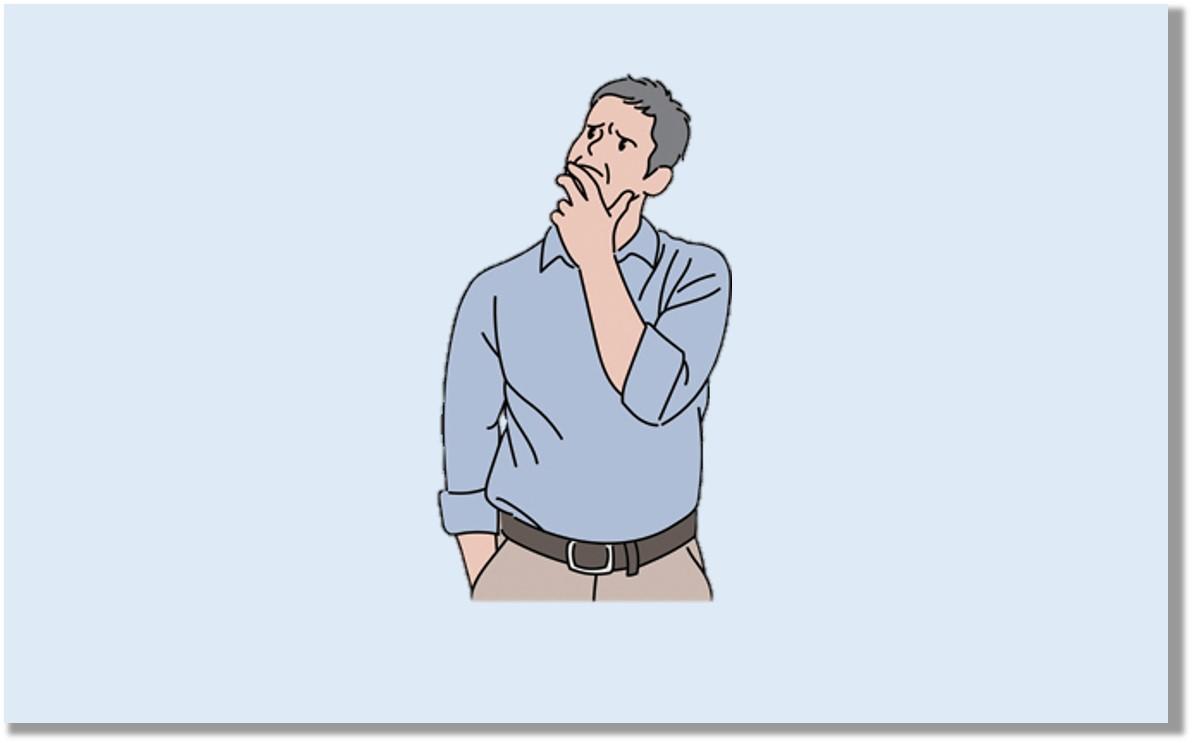
There’s a convenience store in front of my
house, and I feel comfortable when I have to stop by once. If you buy something, you’ll eat it again.
Reason 2
Easy-to-eat environment
Being able to get
food easily means that you can not only buy it easily, but also eat it easily. The University of Colorado research team said, "The environment where food is available at any time and food is available anywhere is a strong motivation for children and adults to eat food." Dogs who are accustomed to eating while listening to the sound of bells later drool, but modern people can find food immediately and relieve their desires when their saliva is high, so they conditionally over-consume food.
solution
Create competitive behavior
Competitive behavior refers to a new action to resist the action you want to avoid. For example, they go back to avoid fast food restaurant alleys that stimulate appetite when they leave work, or they do not go to the kitchen with refrigerators at all or use delivery apps at certain times. Only when you are not exposed to a familiar environment can you break off your motivation leading to overeating.
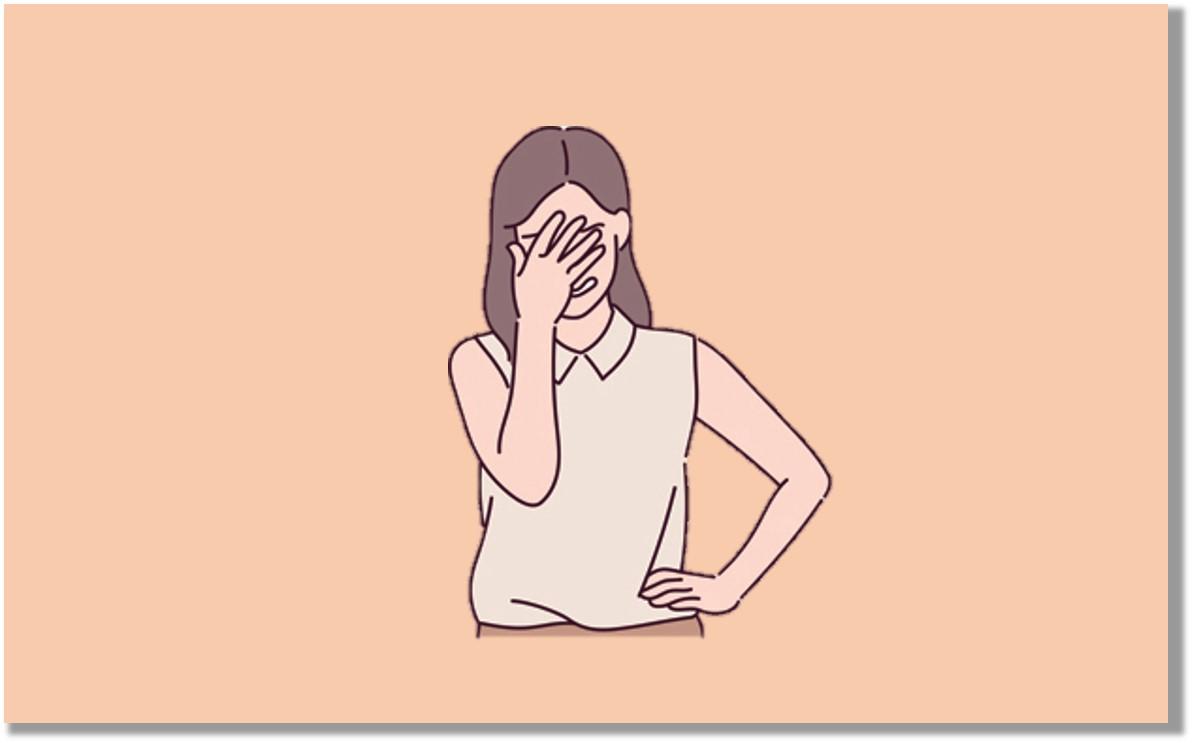
I can't control my appetite. Even when I try to control my mind, I can't take a bite and inhale it.
Reason 3
Happy experience after eating
Modern people try to control their appetite, saying, "It's a taste that they've tried anyway," but as the old saying goes, "People who have eaten it eat it well," the taste that they know well rather stimulates their appetite. Masha Pearlchat, a physiological psychology expert, explains, "Repeating the experience of feeling good when eating a food makes the cognitive memory increasingly clear and dominant, creating a cycle of longing, satisfaction, and greater longing." In the end, the familiar taste gave me a sense of happiness and satisfaction in the past, making it easy to let go of the reins of moderation in food. This is why the familiar taste is the cause of overeating.
solution
Make my side
People tend to act out of habit when they are alone. The process of quitting overeating becomes much easier with family, friends, and colleagues who support your choice. Whether to live up to the expectations of supporters, to keep promises, or to avoid criticism, they are less tempted to eat than when they are alone.

#99 I think my appetite has increased because I always watch eating shows before I go to sleep.
Reason 3
Hungry Content
Mukbang has already become a culture in our society. They line up a large amount of food on the table and eat it alone, enjoy spicy food without changing their facial expressions, or quickly finish food that is two or three times the existing size within the time limit. It's a relief that it ends with watching this eating show, but thanks to the world's best delivery service, the food in the video is in front of me in a few clicks of the delivery app. It is no exaggeration to say that the conditions of overeating are perfectly met.
solution
Behavior Chain Recognition
Behavioral Mathematics expert Raymond Miltenberg says, "Recognizing situations that induce food, that is, situations that induce a chain of actions, is the first step in changing repetitive behavior." For example, watching mukbangs every night, looking at delicious food photos on SNS, or habitually entering a delivery app to watch food is an action that encourages late-night snacks. Just recognizing clues gives you the power to control your behavior.